
Microplastics in Salt: What the Research Shows
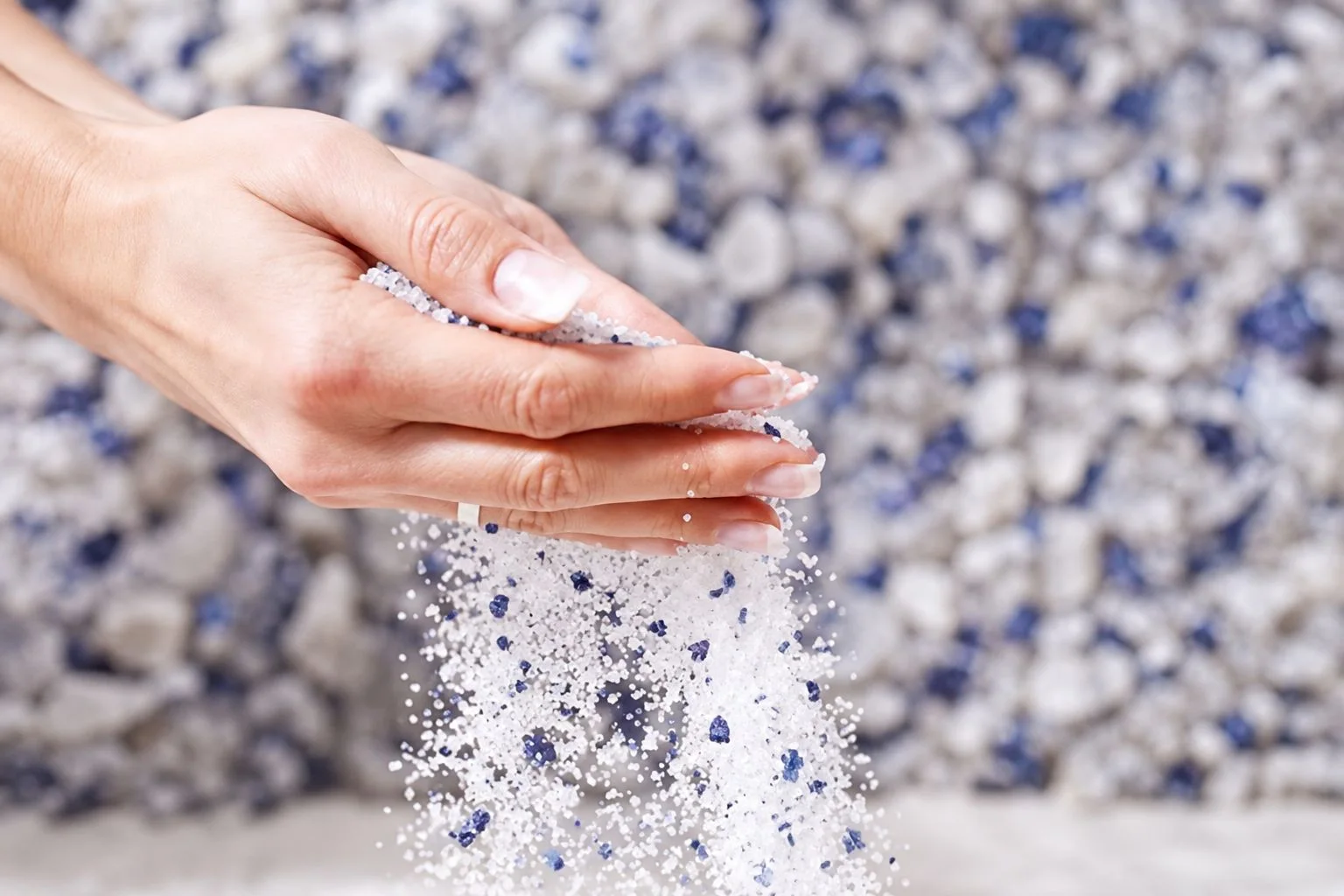
Microplastics have been detected in many parts of the environment and in a range of foods and drinks. Salt has received particular attention because sea salt is produced by evaporating water and because salt is consumed so widely.
A 2018 study published in Environmental Science and Technology examined 39 commercial salt brands from 21 countries. The researchers reported microplastic particles in 36 of the 39 brands. The samples included sea, lake and rock salts, and the results varied by source and region.
The finding does not mean that every sea salt is heavily contaminated or that every rock salt is free from microplastics. Studies use different sampling, particle sizes and analytical methods, which makes direct comparison difficult. Packaging and processing can also introduce particles after a salt leaves its source.
The health significance of the quantities found in food is still being studied. A responsible brand should avoid fear-based statements, and should avoid promising that a product is free from microplastics unless a suitable test method and product-specific evidence support that claim.
For Indigo Salt, the practical response is testing and traceability: define the contaminants and particle sizes a method can detect, test representative batches and communicate the result accurately.
Sources & further reading