
Potassium and Sodium in the Diet
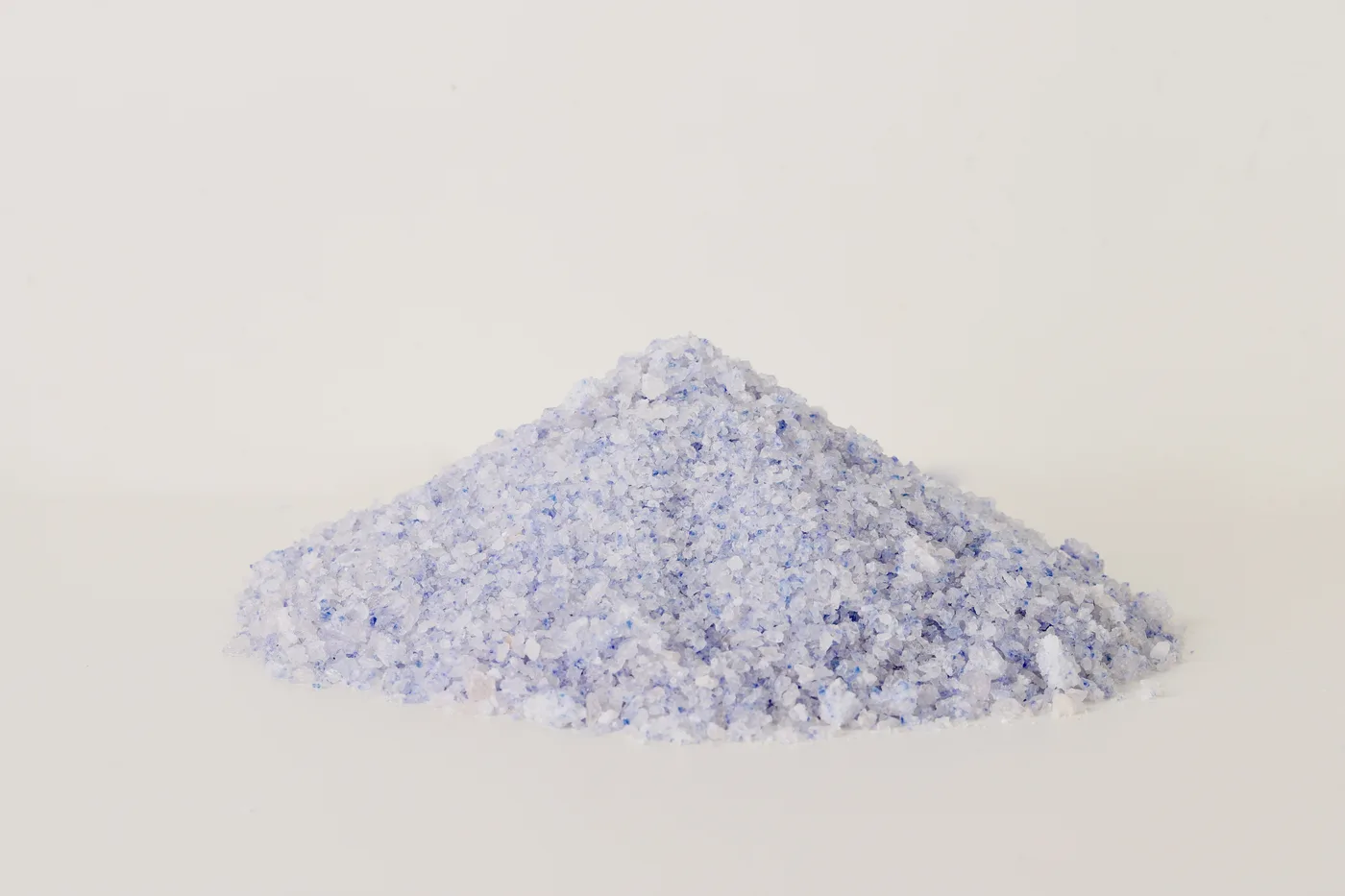
Sodium and potassium are both essential minerals. They help the body manage fluid balance, nerve signals and muscle function. The problem is not that sodium is inherently bad or potassium inherently good. Health depends on the amount consumed, the wider diet and the individual's medical circumstances.
The World Health Organization advises adults to consume less than 2,000 mg of sodium per day, equivalent to less than 5 g of salt. It also suggests a potassium intake of at least 3,510 mg per day. National recommendations can differ.
The best-established dietary sources of potassium are ordinary foods: vegetables, fruit, beans and lentils, dairy products, fish, meat and nuts. A salt product should not be presented as a substitute for a balanced diet.
Lower-sodium salt substitutes often replace part of the sodium chloride with potassium chloride. Guidance supporting these products for many adults excludes people with kidney impairment and others whose bodies may not excrete potassium normally. Some medicines can also raise blood potassium.
This is why product-specific composition matters, and why people with kidney disease, heart failure, diabetes or medicines that affect potassium should ask a qualified clinician before using a potassium-containing salt substitute. Indigo Salt is presented as a food, not as a treatment for any condition.
Sources & further reading